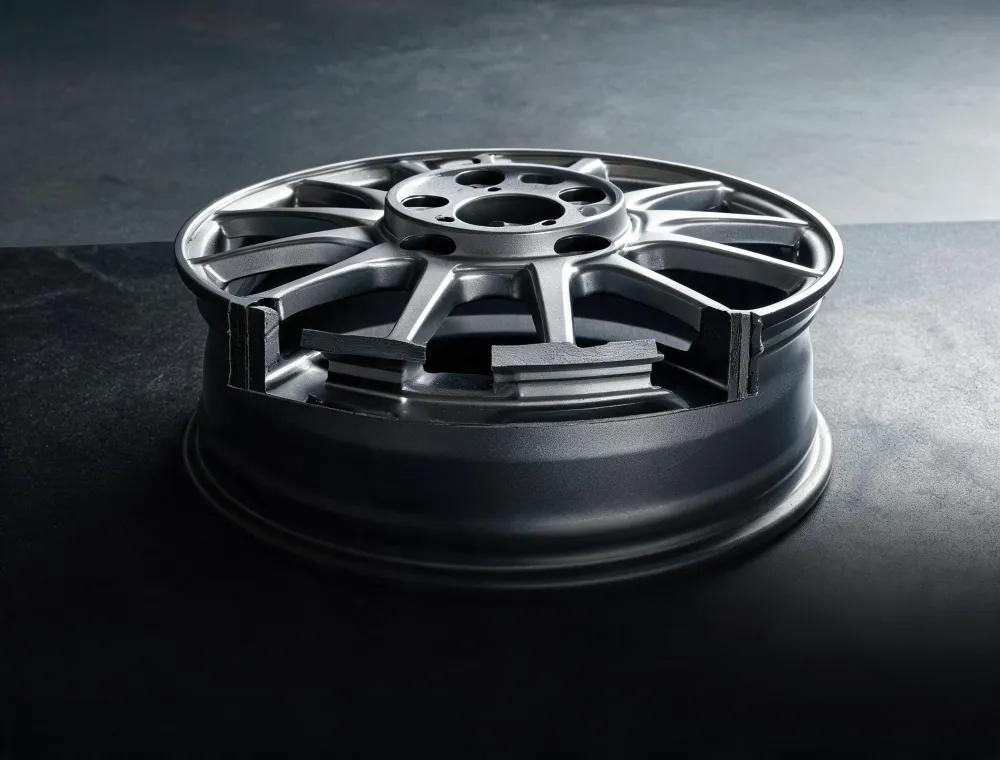
01 / Catalog
Browse product lines
Start with forged or cast alloy wheels and identify the dimensions suppliers need to quote.
Open catalogGive suppliers one fitment brief so you can compare the wheels, sample requirements and trade terms on the same basis.
Start with forged or cast alloy wheels and identify the dimensions suppliers need to quote.
Open catalogSend the pitch circle diameter (PCD), wheel offset (ET), center bore, rim size, load rating and finish. Include the target market and vehicle or drawing reference.
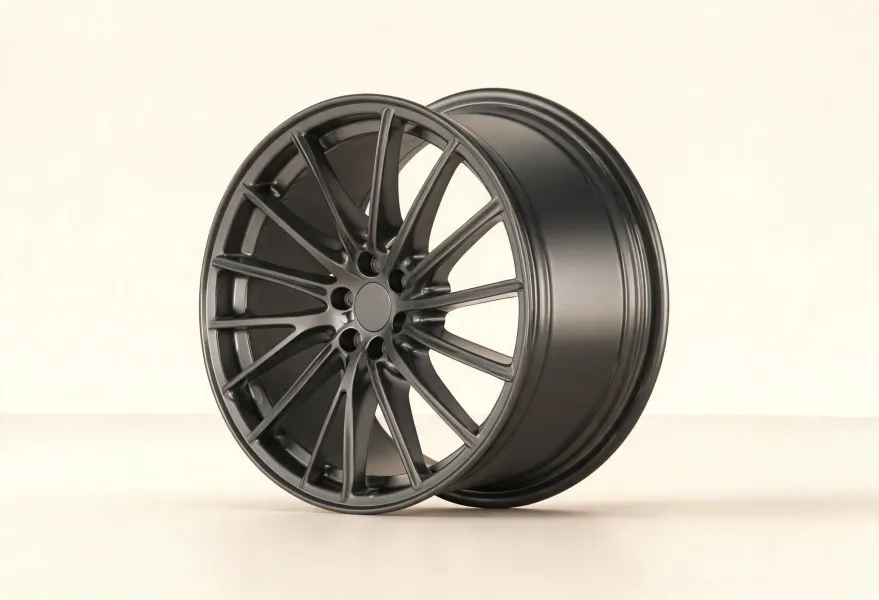
Compare forging, casting and flow forming after setting the same rim diameter, rim width, mounting geometry and load rating. Ask each supplier whether tooling, coating and sample freight are separate quote lines.
View the alloy wheel catalog →Confirm material and temper, the mounting-face drawing and the sample approval plan.
Ask which molds cover your geometry and which finishes share a quoted minimum order quantity.
Identify which part of the wheel is flow formed and request the report for the exact quoted configuration.
Separate buyer-approved dimensions from options suppliers may propose.
Line up unit price, tooling, minimum quantity, packaging and the named trade term.
Agree on drawing revision, sample checks and who signs off the result.
Reconcile carton labels, quantities and packing list with the buyer’s forwarder.
Quote by market and destination port. Identify who checks import documents.
Break out quantities by PCD, ET and finish to expose mixed-order constraints.
Pair the load rating with axle position, service duty and tire requirements.
Use OE cross reference, hub flange and ABS encoder details for wheel-end briefs.
Keep wheel geometry, finish approval and photo references tied to each SKU.
Quote both on the same geometry and load rating. Forging may suit a project with a tight mass target, while a cast design from existing tooling may suit a lower tooling budget. Compare the supplier drawings, sample costs and test scope before deciding.
Yes, as an exploratory brief. A 17-inch diameter alone leaves width, PCD, ET, center bore, fastener seat and brake clearance open. Mark unknowns so quotes stay provisional.
An existing configuration can avoid new tooling if the supplier confirms the fitment and finish are available. A custom order can meet a specific drawing, with tooling, minimum quantity and validation quoted separately.
Ask which configuration, revision and market the report lists. Send any mismatch in size, load rating or construction to the buyer’s quality reviewer before sign-off.
Share the drawing reference, expected quantity and route. Flag the fields you want suppliers to propose.